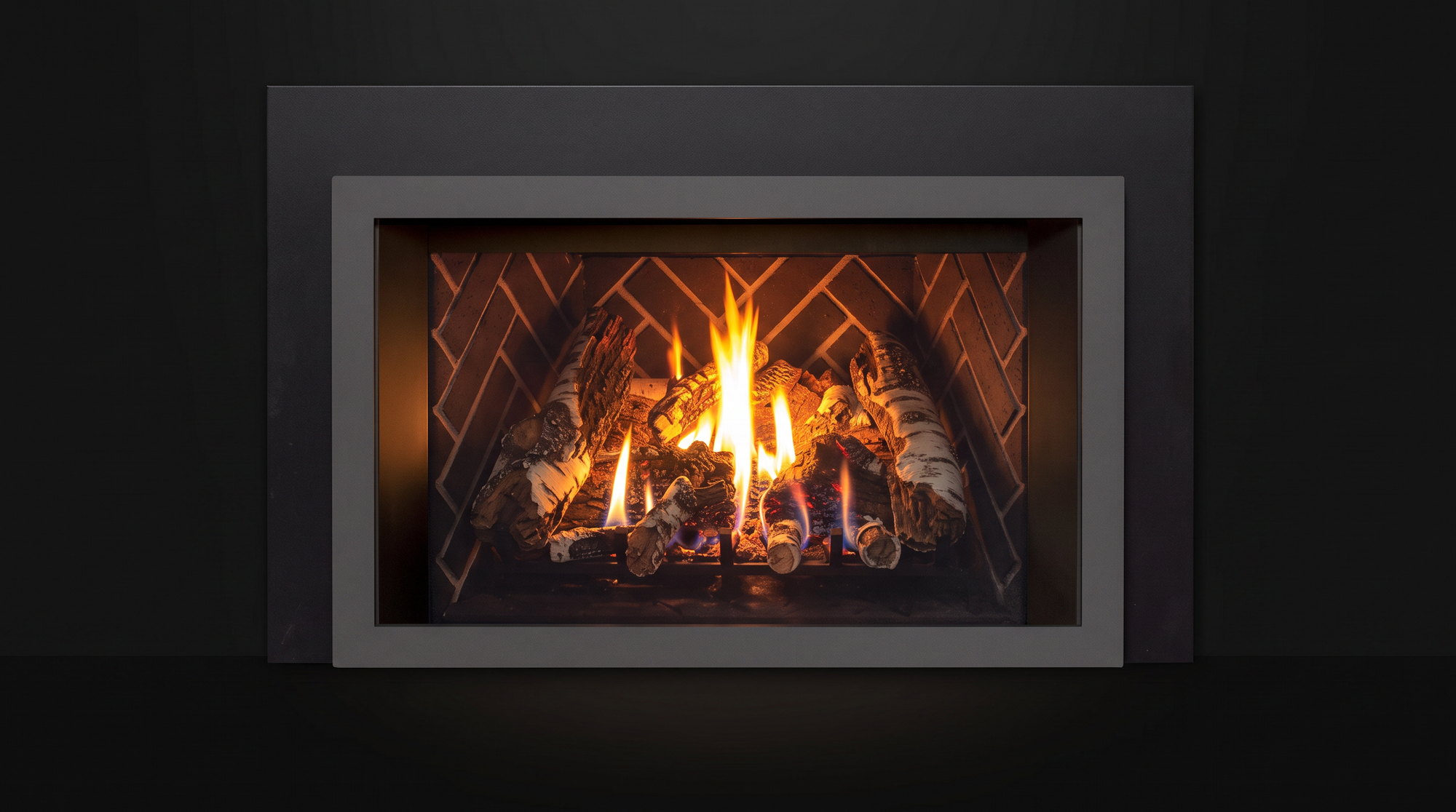
The large one, your way.
Gas insert · 5.0 on Google · TSSA-registered installs
Enviro · Gas Inserts
The maker’s words — “available with glass or log set burners.”
27″ × 16⅝″ of glass on a 32″ opening — the step up to large, with the herringbone, ledgestone or fluted liners behind it.
“Available with glass or log set burners” — the same firebox runs a traditional log fire or a contemporary glass bed. “Remote or thermostat controls” too.
“Standing pilot or IPI system with remote” — plus “quick-access valve controls” on the Contemporary and Extruded surround panels.
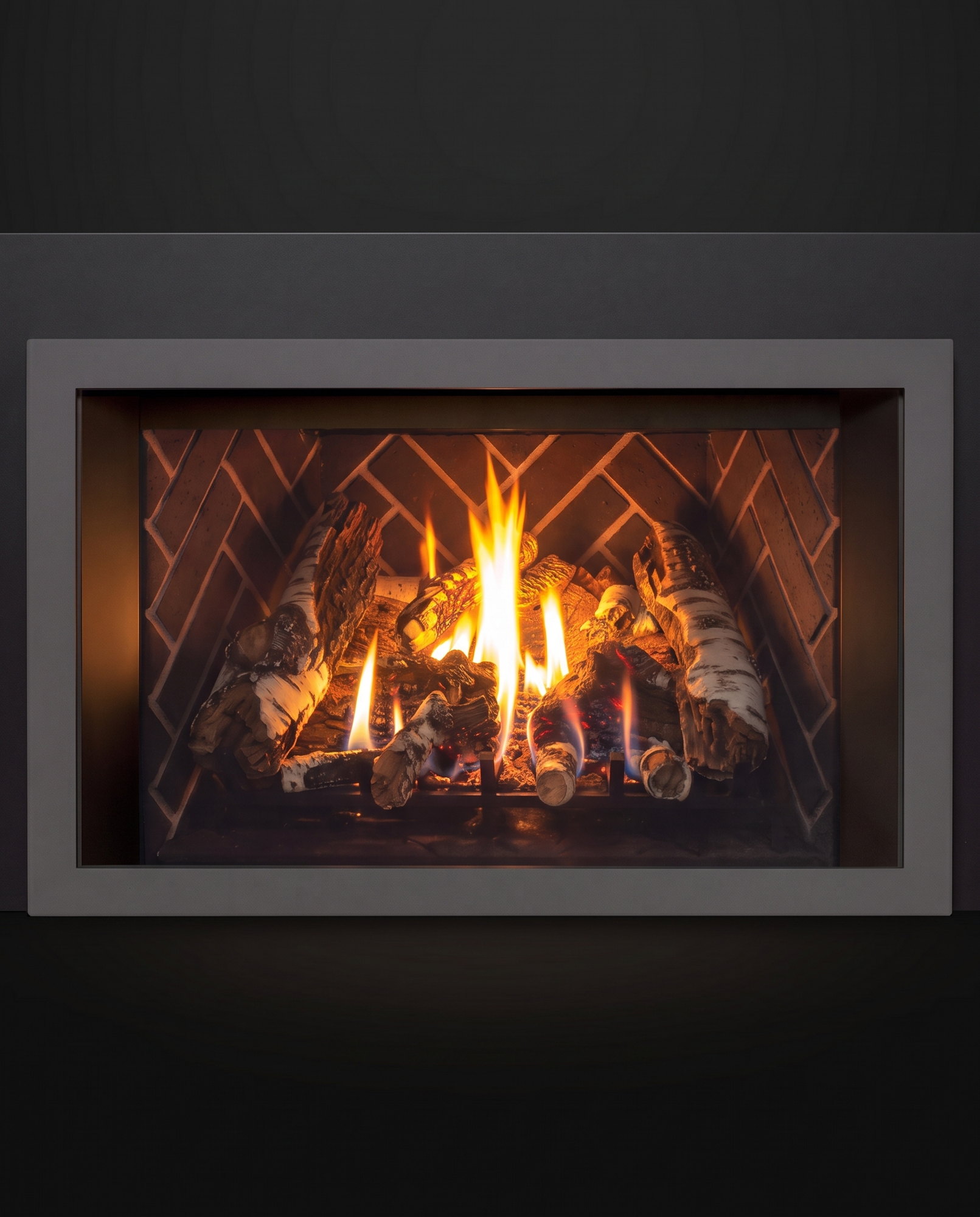
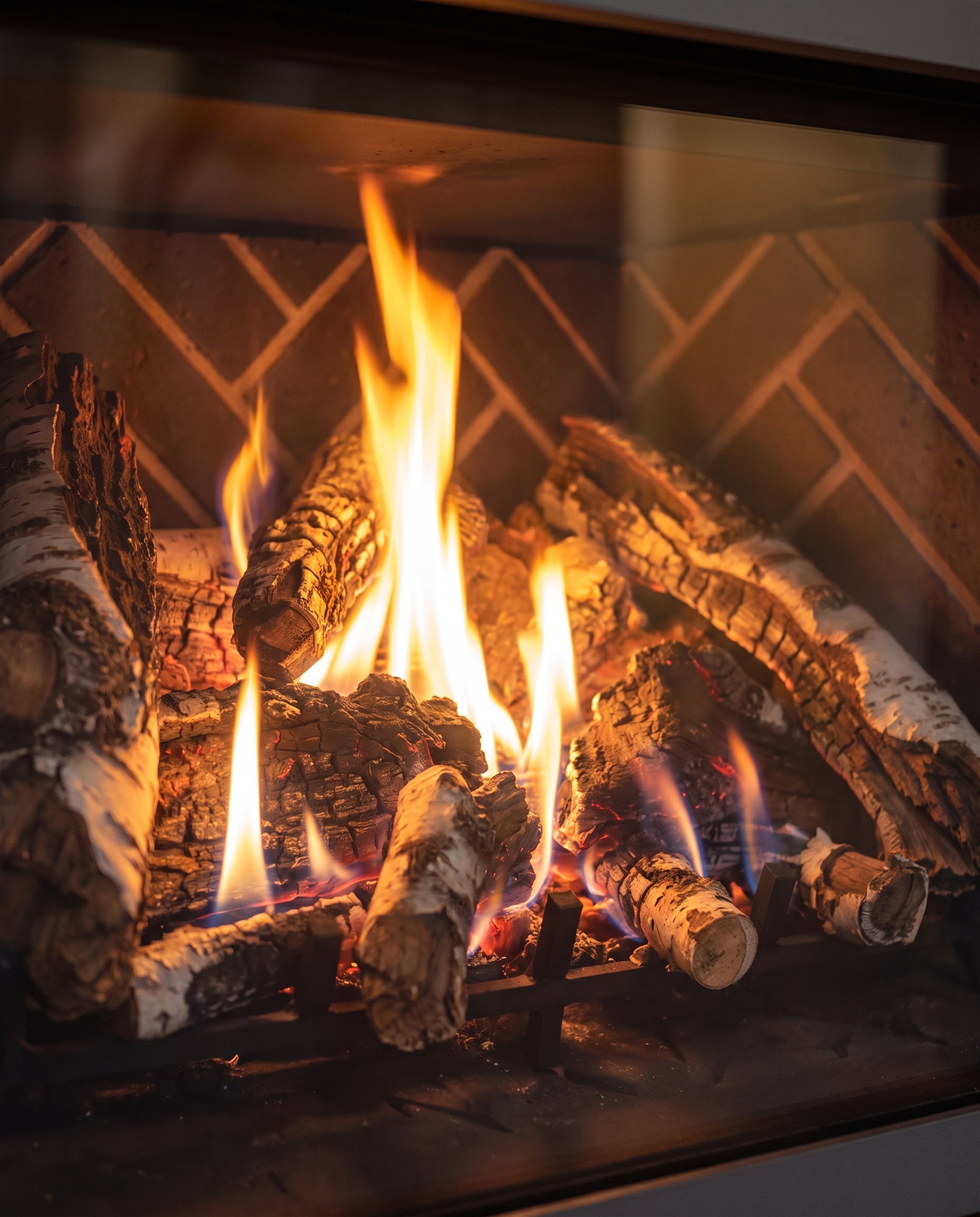
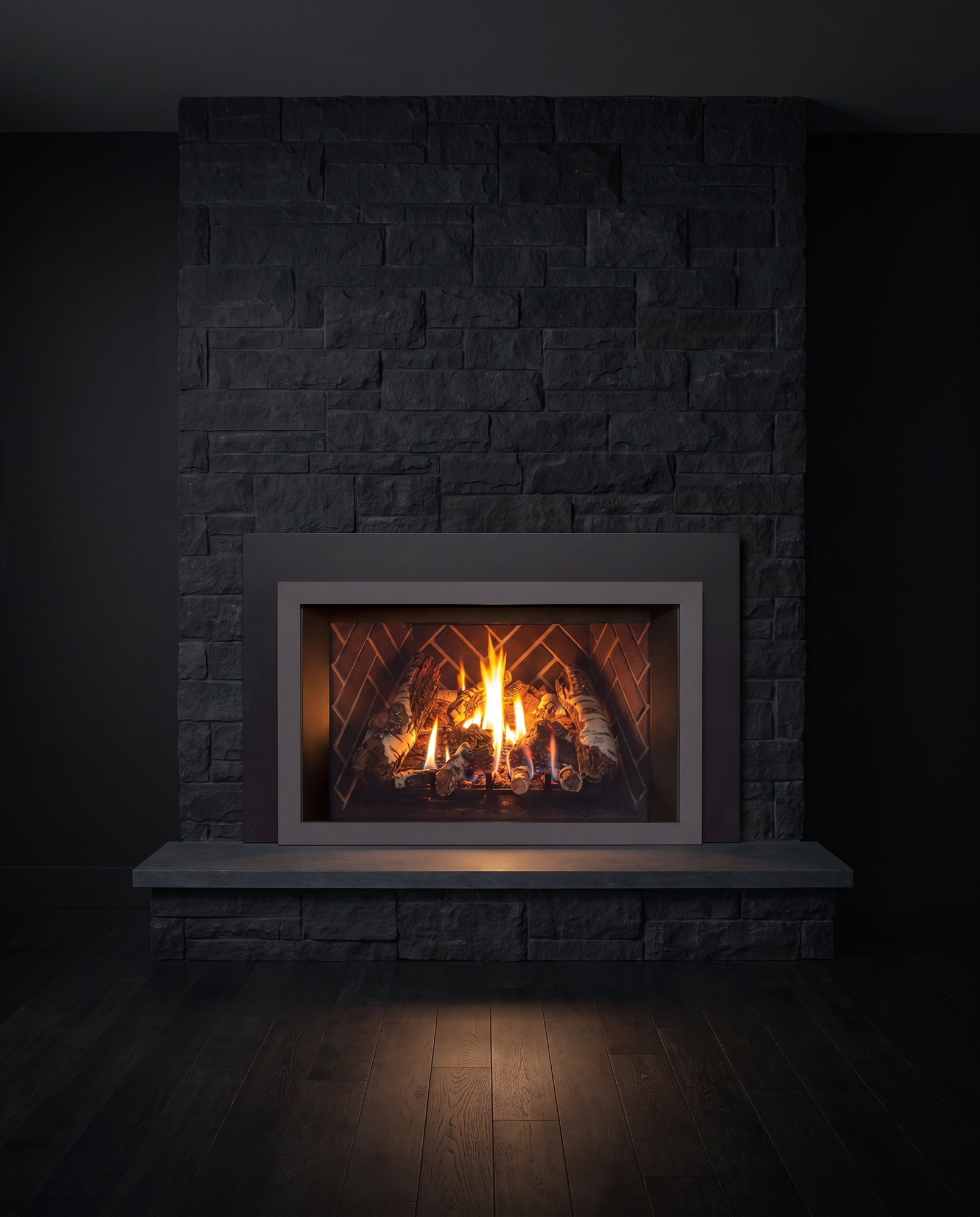
Photography: Enviro
From our Enviro files — in place, and the fire up close. Tap to step inside.
Will it fit?
The maker’s numbers
These are the numbers we install to — every number above is Enviro’s own published figure, nothing rounded by us, nothing guessed. Ask us for the maker’s brochure and the owner’s manual — on hand at the showroom. Or ask us anything at the showroom.
The Enviro Gas Inserts
The portrait one. A window higher than it is wide.
20,000 BTU Small insert · 1,200 ft²The small one. Cast-iron heart, fluted glow.
23,000 BTU Shallow insert · 1,600 ft²The shallow one. Liner not required.
28,000 BTU Fire-under-log · 1,700 ft²The new one. Flames rise through the logs.
32,000 BTU Medium insert · 1,700 ft²The medium flagship. BluIQ, 74.97% efficient.
32,500 BTU Medium insert · 1,700 ft²The medium workhorse. Fifteen faces.
33,000 BTUThe large one. Glass or log burners.
You’re hereThe large flagship. BluIQ, ember light.
35,000 BTU Extra large · 2,300 ft²The biggest window in the row.
42,000 BTUReal voices · 5.0 on Google
“…the knowledge and guidance we received in determining size, location and finishing design was invaluable.”
Phil M. · Google review
“As someone extremely particular and fussy I was very pleased.”
Josh R. · Google review
Quick answers
The E33 asks for 32″ × 20″ of opening and 18⅛″ to 20½″ of depth. Ten surround choices — Cast Plus to the 46″ Trimmable Filler Panel — close the brick around the new fire.
No new chimney — your existing one does the work. We run two continuous liners down it (a co-linear direct-vent pair, 3″ each): one brings combustion air in, the other takes exhaust out, and the firebox stays sealed from your room. We sweep and inspect the chimney first, and every gas connection is made by TSSA-registered technicians.
Logs read traditional — the herringbone liner and a stacked fire. The glass burner reads contemporary — a clean flame line over a glass bed. Same insert, same heat; we keep both burning at the showroom so you can pick by eye.
What it costs
Every wall is different — framing, venting, gas line — so your price is real, not a guess.
Two minutes online. Photos help; the booking machine takes them.
Dan prices your exact install and walks you through every line of it.
Nick’s crew frames it to the maker’s spec, runs the venting, and leaves the room clean.
Or come see it in our Coldwater showroom — the espresso will be on.
Beyond the insert row
Twelve built-in gas fires live on the walk today — linears, clean-face squares and traditionals from the same maker.
See the fireplaces → The freestanding houseSix freestanding gas stoves — cast iron and steel, from the little S20 to the Westport.
Meet the stoves → Prefer to burn wood?Eight wood fires from Belgium — stoves, inserts and the guillotine fireplaces, WETT-certified installs.
Walk the Stûv house →